
Why Some Doctors prefer the GE OEC ELITE CFD C-arms?
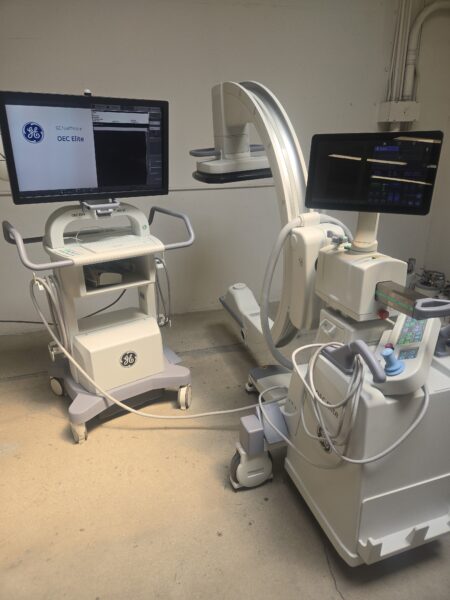
Most doctors in the clinical tend to prefer the GE OEC Elite CFD because it combines three things that matter most in the OR: image quality, workflow speed, and reliability.
Here are the main reasons it has a strong reputation in surgery centers and hospitals:
1. Prestine image quality at lower radiation dose
The system uses a CMOS flat-panel detector and large 4K display, which helps surgeons see finer anatomical detail while minimizing radiation exposure. GE also emphasizes features like noise reduction, Live Zoom, and specialized imaging presets for spine, orthopedic, vascular, and cardiac procedures.
Doctors particularly value:
- Sharper visualization of hardware and anatomy
- Better detail in obese or complex patients. Especially for AP laterals
- Improved fluoroscopy clarity during minimally invasive procedures such as pain management
2. Large field of view and easier positioning
One of the headline features is up to a 22% larger field of view compared with older monoblock C-arms. Surgeons can see more anatomy without repositioning as often.
The GE OEC Elite CFD C-arm geometry also helps with:
- Low table heights
- Difficult lateral angles
- Spine and trauma cases
- Vascular access procedures
This matters because less repositioning means:
- Faster procedures
- Less interruption
- Lower fatigue for the surgical team
3. Familiar OEC workflow
The older OEC 9800/9900 systems became extremely common in U.S. operating rooms, and many surgeons and radiologic technologists trained on them. The Elite CFD keeps a familiar workflow and interface while modernizing the hardware.
That familiarity reduces:
- Learning curve issues
- Workflow mistakes
- Delays during surgery
In the OR, surgeons often prefer equipment that feels predictable and intuitive.
4. Reliability and uptime reputation
A recurring theme from radiology and biomedical engineering communities is that OEC systems are viewed as durable and dependable. Some users compare them to the “Toyota” or “Honda” of C-arms because they tend to stay operational for years. They are absolute work horses.
Hospitals value:
- Less downtime
- Easier servicing
- Broad parts/service ecosystem
- Strong technician familiarity
For busy surgery centers, downtime can disrupt entire OR schedules.
5. Strong ergonomics for staff
The Elite CFD was designed around operator ergonomics:
- Optional motorized movement
- Memory positioning
- Easier detector placement
- Large movable monitor
- Reduced physical strain for techs
Many OR teams mention that the system is easier to maneuver than some competitors.
6. Versatility across specialties
Doctors like that one platform can handle many procedure types:
- Orthopedics
- Spine
- Pain management
- Vascular surgery
- Cardiac procedures
- Trauma surgery
That versatility makes it attractive for hospitals and ambulatory surgery centers trying to standardize equipment.
7. Surgeon preference drives purchasing
In many hospitals, surgeon preference strongly influences equipment purchases. Several radiology professionals note that orthopedic and spine surgeons specifically request OEC systems because they trust the image presentation and workflow.
In practice, that means:
- Surgeons ask for it by name
- OR staff become specialized on it
- Hospitals continue buying the same platform
So the preference becomes somewhat self-reinforcing.
End of the day:
The GE OEC Elite CFD is popular because it balances:
- High-quality imaging
- Low-dose performance
- Fast and familiar workflow
- Ergonomic design
- Long-term reliability
For surgeons, especially in orthopedics, spine, and vascular work, those advantages directly affect procedure efficiency and confidence in the operating room. If you have any used c-arm questions, please feel free to contact us 619-810-0020 or sales@pacifichealthusa.com


